
The Crisis PR FirmPowered by Influencer Advisory

For heads of marketing and PR at brands winning back trust

PR crisis management Win back your brand's reputation after a PR crisis, with creators your buyers already trust

We bring in professionals and long-time customers your buyers believe, and we negotiate with the creators involved: who pauses, what gets fixed, and what each one says next.

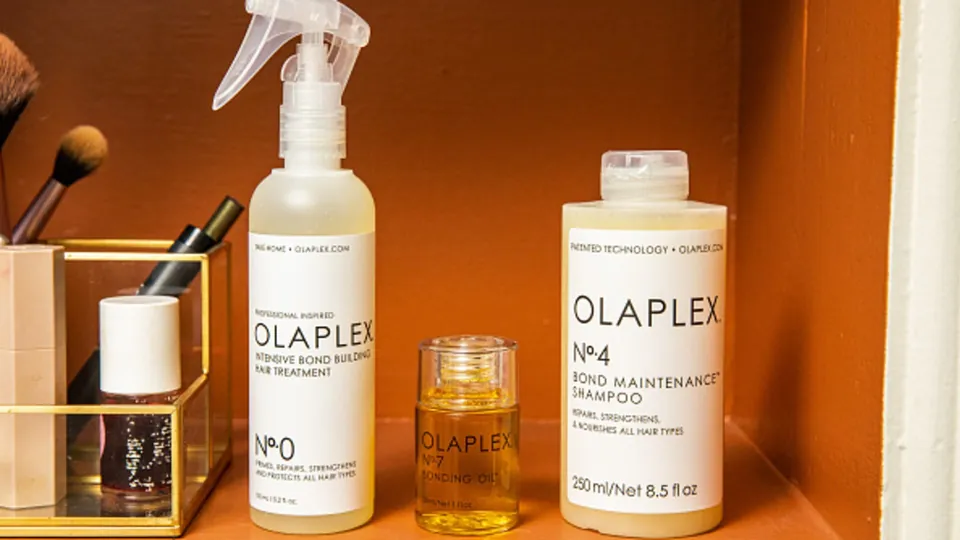
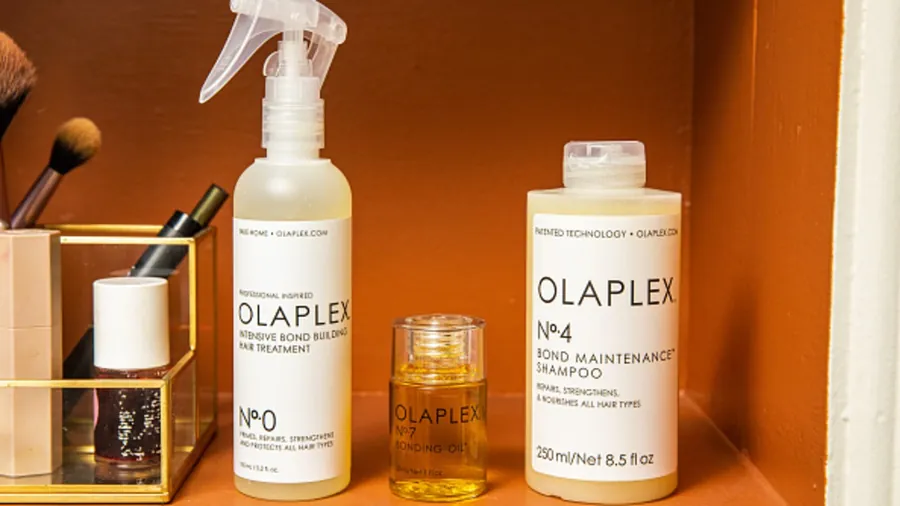
Olaplex bottles on an orange shelf, the picture CNBC ran with its report
Olaplex The lawsuit was dismissed, and the damage to its reputation lasted. CNBC
The Revolve Festival sign and a crowd under palm trees, the picture TODAY ran with its report
Revolve Festival The creators it invited called it a disaster on TikTok. TODAY
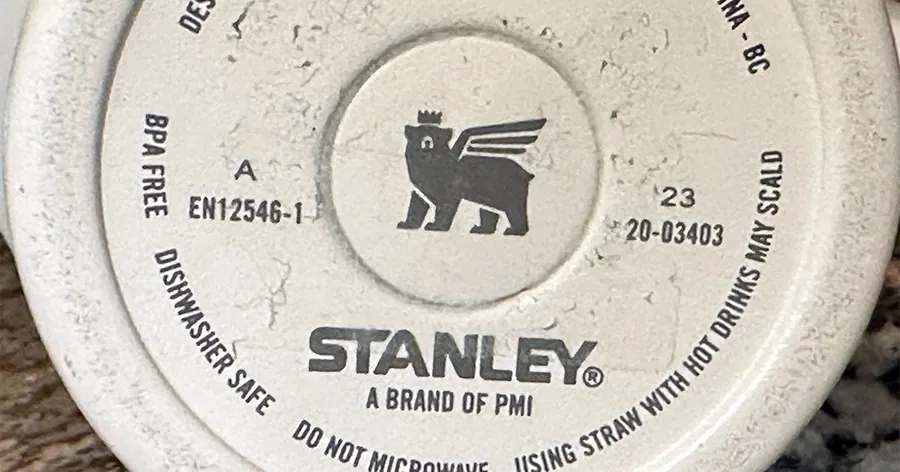
The base of a Stanley cup, the picture FOX 10 ran with its report
Stanley Lead concerns on social media, then a public reply. FOX 10

Your options for each one

For each problem we pick from two moves: bring in creators your buyers already trust, or negotiate with the creators involved. Here's how to tell which fits.

1

A complaint keeps spreading

When your own replies aren't changing minds, the answer has to come from people your buyers already believe.
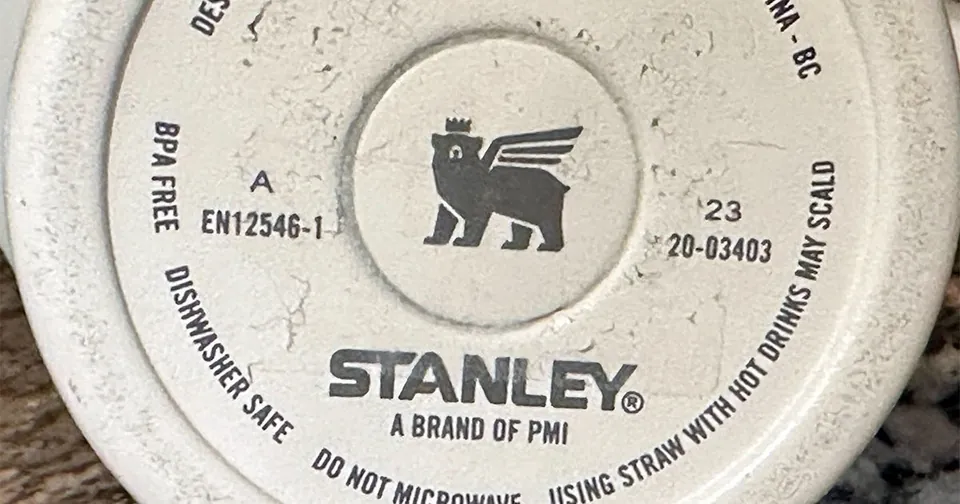
The base of a Stanley cup, the picture FOX 10 ran with its report
Stanley, 2024. People started posting about lead concerns on social media, and so many did that the company responded. It said its sealing material "includes some lead", under a stainless steel layer that keeps it away from consumers. Source: FOX 10

What do you do about it?

  • Bring in people buyers believe

    Professionals and long-time customers show how they use your product. None of them argues with the complaint.

    Fits when your product is fine and buyers need to hear it from someone else.

  • Fix it first

    A creator can't undo what happened, so your fix has to be public before anyone new posts.

    Fits when the complaint is true.

  • Track what keeps coming up

    We read the comments and see which complaints fade and which ones stay.

    Fits when you don't know yet how far it has gone.
2

A creator you sponsor is in the news

Start with the contract, because it decides whether you can pause, end or wait. We handle that conversation with the creator and their manager, so your team doesn't have to.

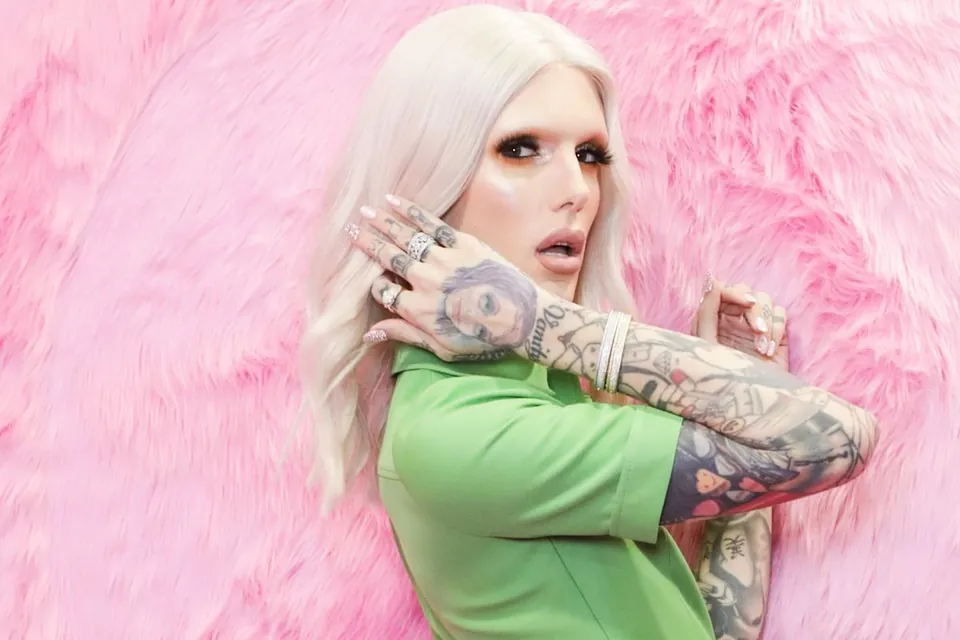
Jeffree Star in a green top against a pink background, the picture Business Insider ran with its report
Morphe, 2020. Morphe had been the main store for Jeffree Star's makeup line and hosted his launch events. After weeks of growing backlash, it said it would "cease all commercial activity" with him and his brand. Source: Business Insider

What does the contract let you do?

  • Pause the posts

    We agree it with the creator and their manager, on the contract's terms.

    Fits when the story is still moving.

  • End the deal

    We work out how it ends and who says what, so it only happens once.

    Fits when your name can't stay next to theirs.

  • Keep going with one agreed line

    They post as normal, and say one line you've signed off on if asked.

    Fits when it has nothing to do with your brand.

Who hears what, and when

  1. The contractwhat you're allowed to do
  2. The creatorwhat they'll say
  3. Your other creatorswhat to post, if anything
  4. Your PR firmso the statement and the posts match
3

A post you paid for broke the rules

A post can make a claim it shouldn't, or never say it was paid. We work it out with the creator post by post, and your lawyers have the final word on anything a regulator has raised.

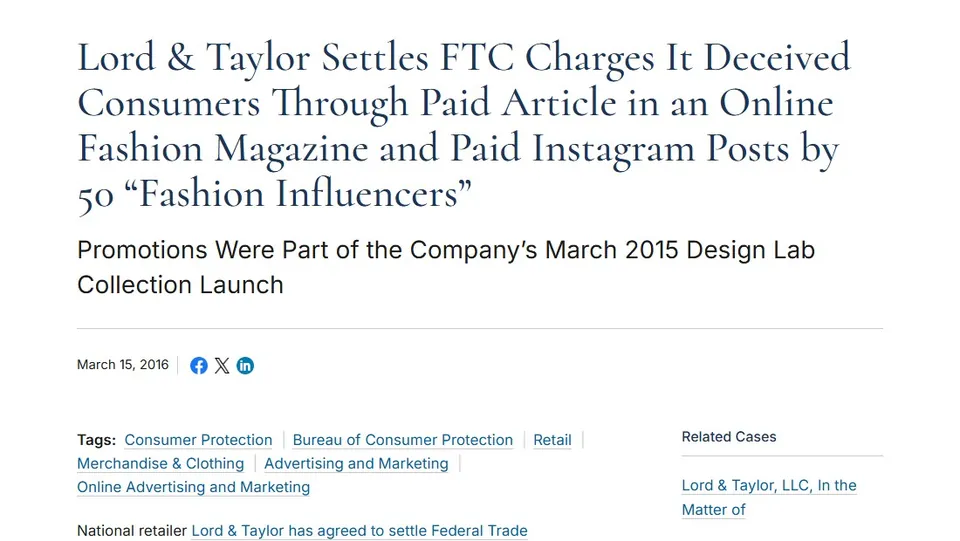
The FTC's press release saying Lord & Taylor settled its charges
Lord & Taylor, 2016. It paid 50 fashion influencers to post photos in the same dress. Their contracts required the brand's handle and hashtag, and the company approved each post, but it never asked them to say they were paid. The FTC charged the company, and it settled. Source: FTC

How do you fix it?

  • Fix the post

    The creator adds the label or changes the claim.

    Fits when the post can stay up once it's right.

  • Post a correction

    The creator tells the same followers what was wrong.

    Fits when people already acted on what it said.

  • Take it down

    Done on the contract's terms, after your lawyers save a copy.

    Fits when it can't be fixed, or your lawyers say so.

4

A campaign or event got called out

Sometimes the story comes from the creators you invited, and they're the ones people are listening to.

The Revolve Festival sign and a crowd under palm trees, the picture TODAY ran with its report
Revolve, 2022. Revolve invited creators to its own festival on Coachella weekend. Some waited for hours in the heat for a shuttle, and some never got in. One called it "a complete disaster" on TikTok, and Revolve apologized in a statement that Tuesday. Source: TODAY

Who do you talk to first?

  • Talk to the creators involved

    About what happened, and what they'll post next.

    Fits when the people complaining are people you invited.

  • Reset with people like your buyers

    It's better creator strategy, not more creator spend.

    Fits when the campaign went to the wrong people.

  • Say what you'll change

    Your PR firm handles the statement, and your creators hear it from us before they post.

    Fits when the press has picked it up.

5

Trust was lost to a lawsuit or recall

Winning in court doesn't end it when the complaints keep going on social media. Creators never argue the case, they show the product.

Olaplex bottles on an orange shelf, the picture CNBC ran with its report
Olaplex, 2023. A lawsuit alleged its products caused hair loss. Olaplex denied it and the case was dismissed that year, but people on social media kept attacking the brand, and CNBC reports the allegations left lasting damage on its reputation. Source: CNBC

How do you rebuild?

  • Leave the case to your lawyers

    Your lawyers keep the case and your PR firm keeps the statement.

    Fits when it's still open.

  • Build an ambassador group

    Long-time customers and experts talk about you for months, about the product and never the case.

    Fits when your fix is public.

  • Hold off on new creators

    We work on your claims, approvals and disclosures instead.

    Fits when a safety investigation is still open.

How a rebuild runs

  1. Listenwhich complaints keep coming up
  2. Fix it publiclybefore anyone new posts
  3. Bring in voicespeople who used it before any of this
  4. Keep goingfor months, so fans see you again and again
6

Buyers drifted away

People who used to buy from you don't see themselves in your brand anymore. So we listen first, then show them who it's for now.

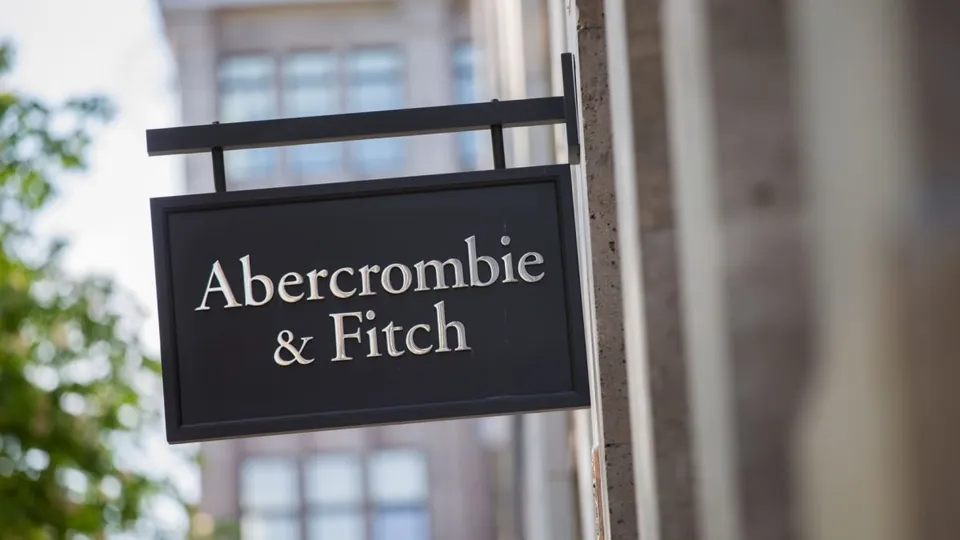
An Abercrombie & Fitch store sign, the picture NBC Chicago ran with its report
Abercrombie & Fitch, 2024. It went from a dying mall brand to a Wall Street favorite. Over seven years it changed what it sold, closed hundreds of stores, moved away from loud branding and rebranded after earning a bad reputation. Source: NBC Chicago

Why did they leave?

  • Listen first

    We read what past buyers say about you now, in their own words.

    Fits when you don't know why they left.

  • Show who it's for now

    Long-time members and professionals show how your product fits into their lives today.

    Fits when the product has already changed.

  • Change the product first

    Creators can bring people back to look, and they won't stay for something that hasn't changed.

    Fits when what they left over is still true.

How we work, step by step

  1. 1

    We listen first

    Where the story started, who is carrying it, and which complaints keep coming up in the comments.

  2. 2

    We check where your creators stand

    What each one has posted since it started, and what their contract lets you do.

  3. 3

    We pick the move

    New voices your buyers believe, a conversation with the creators involved, or both, and what comes first.

  4. 4

    We negotiate with the creators involved

    Pauses, endings, fixes to posts and what each one says next, on the terms of their contracts.

  5. 5

    We bring in voices your buyers believe

    Professionals and long-time customers, on rates and exclusivity we negotiate, posting for months. Each month you see what changed in the comments.

  6. 6

    We write the plan for next time

    Who can pause a creator, who approves posts, and what each creator says if it happens again. We install the systems and teach them to your team.

Who we help

Brands that sell to consumers and work with creators, or plan to. We work with whoever owns the fix.

Heads of PR and communications

You own the statement, and want the creators saying something that fits it

Heads of marketing

You own the creator budget, and want it spent on voices that win trust back

Founders

It's your name in the comments, and you want people who know creators handling it

Why brands bring us in

We run creator programs ourselves

We book creators, write their briefs and review their posts for brands, every day.

01

We negotiate the deals

In a lot of cases we land a rate low enough that the savings alone offset our fee.

02

We look at each creator's history

We vet them so you're never gambling on someone who'll underperform or go off-brand.

03

Compliance is familiar territory

We have experience across the United States, Canada, and European and Asian markets, so we can work out exactly what your product is and how it complies with local standards.

04

We work beside your PR firm and legal team

Your lawyers write the contracts, your PR firm handles the press, and we handle the creators.

05

Influencer Advisory has worked across 55+ brands over the last year.

A free reputation check for your brand

Tell us what happened, or what you're worried about. Before we meet, we look at what people are saying and where the creators you pay stand, for free.

Then we tell you which fits: bringing in creators your buyers already trust, negotiating with the creators involved, or both.

What people are saying

The posts and comments carrying the story, and the complaints that come up most in them.

Where your creators stand

What each creator you pay has posted since it started, and what their contract lets you do.

Who your buyers would believe

Professionals and long-time customers who already use your product, and could speak for it.

  1. 1

    You book a time

    Pick a slot and tell us in the form what happened. If creators are involved, list them, and send their contracts if you can.

  2. 2

    We look before we meet

    You get what we found in writing, before the call.

  3. 3

    We pick the first move with you

    On the call: new voices, a conversation with your creators, or both, and what to do first.

Dennis in an Influencer Advisory shirt at the studio
Dennis

We're small, so no sales team. You'll talk to Alice or Dennis.

Influencer Advisory logoInfluencer Advisory

A division of Influencer Advisory

PR Crisis Management is the reputation side of Influencer Advisory, an influencer marketing agency that works with health and wellness brands. Alice and Dennis run it from Toronto, Canada.

Questions brands ask us

Can influencers help rebuild a brand's reputation?

Yes, once your own fix is public, and mostly through creators who used your product before any of this. A creator who only shows up after it can look like paid damage control. The loyal fans who buy the most watch a creator a lot. They need to see you with that creator again and again, so the rebuild runs for months.

What should a brand do when a creator it sponsors is in a scandal?

Start with the contract, because it decides whether you can pause, end or wait. Then agree with the creator what they'll say, and tell your other creators what to post, if anything. We handle that conversation with the creator and their manager, so your team doesn't have to.

How do you fix an influencer post that broke FTC rules?

We work it out with the creator, on the terms of their contract: add the label, fix the claim, post a correction to the same followers, or take the post down. It came up in almost every conversation we had with PR folks at Creator Summit: the FTC has been coming down on companies whose influencer content didn't meet the FTC guidelines. Your lawyers have the final word on anything a regulator has raised.

Should creators respond to a lawsuit or a complaint about our product?

They shouldn't. Creators show how they use the product, and leave the case to your lawyers and the statement to your PR firm. We never ask a creator to argue your side.

All 12 questions

Win back trust

We bring in professionals and long-time customers your buyers believe, and we negotiate with the creators involved: who pauses, what gets fixed, and what each one says next.